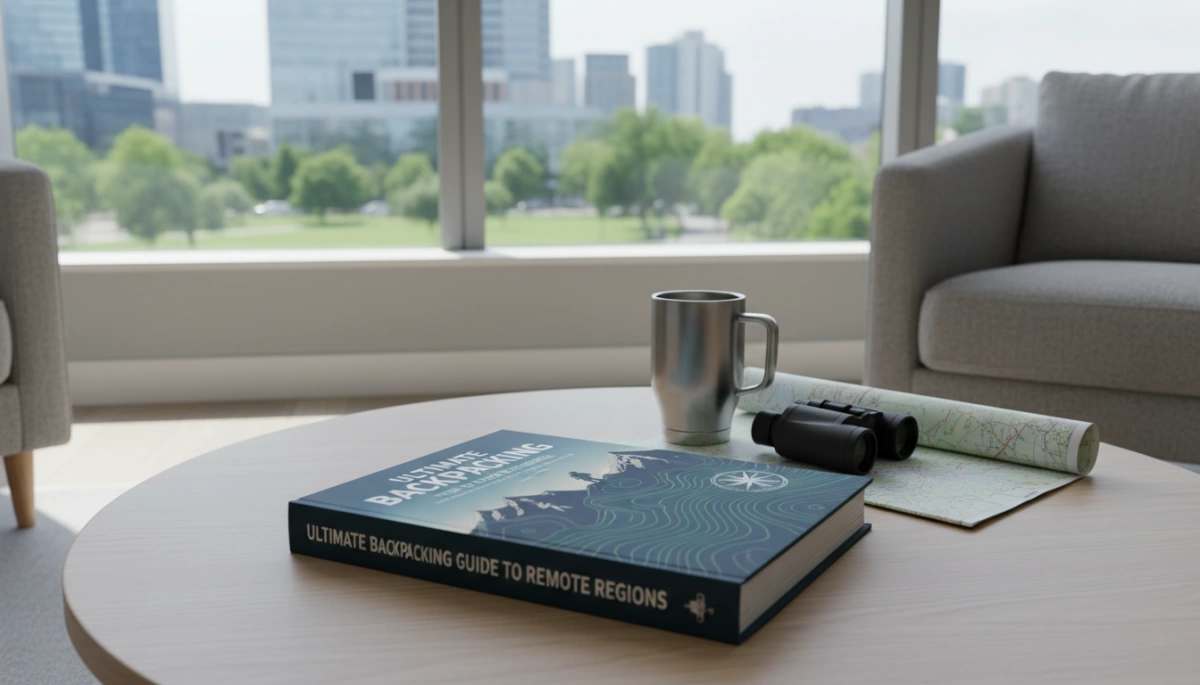
Successful backpacking in remote regions starts long before you hit the trail. Advanced route planning and thorough logistics are your foundation for safety and efficiency.
Digital Scouting Using CalTopo and Google Earth
Utilise CalTopo and Google Earth for detailed terrain analysis:
Study topographic maps and satellite imagery to identify elevation changes, water sources, and potential campsite locations.
Mark critical waypoints, including trail junctions, river crossings, and natural obstacles.
Assess slope steepness and vegetation density to anticipate difficult sections.
Example: A colleague once avoided a narrow canyon prone to flash floods by spotting it early on CalTopo, rerouting to a safer path.
The Bailout Plan and Escape Routes
Always create a bailout plan before departure:
Identify multiple escape routes in case of injury, weather changes, or supply issues.
Coordinate these with reliable GPS coordinates and paper map references.
Share your plan with someone reliable and establish check-in points.
Tip: On your paper map, highlight exit routes clearly; electronic devices may fail in remote areas.
Navigating Permits and Regulations
Remote public lands often require permits and have specific regulations:
Check requirements for BLM land, National Forests, and restricted zones well in advance.
Some areas limit group sizes, campfires, or enforce seasonal closures.
Violations risk hefty fines or trip termination.
Pro tip: Contact land management offices directly for the most current rules; websites may lag behind.
Understanding Weather Windows and Microclimates
Remote high-altitude and coastal zones have unpredictable weather:
Research typical weather windows—periods of stable conditions ideal for travel.
Study local microclimates; sheltered valleys differ from exposed ridges.
Use historical weather data combined with real-time forecasts.
Scenario: A backpacker delayed crossing a mountain pass by one day after noticing a narrow weather window, avoiding whiteout conditions.
Thorough planning using digital tools, realistic bailout strategies, clear regulatory knowledge, and informed weather assessments provide a secure start to any remote backpacking trip. Prioritise these steps to reduce risks and maximise your chances of success in wild, isolated terrain.
Phase 2: Navigation—The Art of Staying Found
When trekking through remote regions, reliable navigation is key. Always prioritize redundancy to avoid getting lost—carry a paper map, a magnetic compass, and a GPS or phone app with downloaded offline maps. This three-pronged approach ensures you can find your way even if one tool fails.
Master the basics of triangulation by identifying multiple landmarks to pinpoint your location. Pair this with terrain association skills, where you match the features on your map to the real world around you, to confidently navigate without clear trails.
For off-trail navigation techniques, handrailing linear features like rivers, ridges, or trails is invaluable. Following these natural or man-made lines helps keep your direction while reducing the mental load of constant reorientation.
When it comes to bushwhacking in dense vegetation, plan your route to minimize energy drain:
Use natural corridors, like game trails or clearings.
Move at a steady pace with frequent short breaks.
Avoid steep slopes when possible to conserve stamina.
These navigation skills form the backbone of safe and effective backcountry travel, especially when venturing far from marked paths or signs. For those interested in expanding their route options, check more about remote trip planning and outdoor navigation tips from a detailed two-week adventure guide.
Phase 3: Gear Selection for Isolation
When heading into remote regions, choosing reliability over ultralight backpacking gear is key for durability. Tough conditions demand equipment that can take a beating and keep working. Don’t sacrifice sturdiness just to shave off ounces.
Satellite messengers like the Garmin inReach or Zoleo and Personal Locator Beacons (PLBs) are essential communication lifelines when cell service is nonexistent. These devices give you peace of mind, letting you send SOS signals or check in with emergency contacts if needed.
A solid repair kit is a must-have. Pack patches and adhesive for sleeping pads, extra boot laces, duct tape, and tent pole splints to tackle unexpected gear failures out in the wild. Being able to fix small problems on the trail can save your trip.
Power management is another critical consideration. Solar panels offer continuous charging if you have good sunlight but can be bulky and slow. On the other hand, high-capacity power banks are portable and reliable but require pre-trip charging. Many backpackers carry both to cover all bases.
For comprehensive packing tips on gear essentials, check out the detailed essential items every traveler needs guide to make sure you’re set for any situation.
Phase 4: Sustenance and Water Strategy for Remote Backpacking
When heading into remote regions, sustaining your energy with high-calorie meals is critical — aim for 3500+ calories a day without adding bulk. Focus on nutrient-dense, lightweight foods like nuts, dehydrated fruits, energy bars, and freeze-dried meals. Planning backcountry meals that fuel your body hard without weighing you down keeps your stamina up on tough trails.
Water logistics can make or break your trip. Always scout water sources ahead of time using your maps and apps, and carry backups for dry sections. Choose between filtration and purification based on your destination: filters work well for sediment and bacteria, but in areas with viruses, water purification tablets or UV treatment are safer options.
For bear and wildlife safety, storing your food properly is non-negotiable. Use bear canisters where required—they’re proven to keep critters out. In places without hang poles or trees, an Ursack offers a lightweight alternative for secure food storage in bear country. This prevents wildlife encounters and protects fragile ecosystems.
For more on planning your remote adventure’s prep, consider techniques like off-trail navigation and wilderness first aid to round out your skills—resources like the Enchanting City of Shanghai reveal how planning transforms travel experiences in different environments.
Phase 5: Risk Management & Wilderness Medicine
When backpacking in remote regions, adopting a self-rescue mindset is critical—help could be days away. That means preparing to handle emergencies on your own without immediate external support.
Wilderness First Aid Essentials
Learn basic Wilderness First Aid (WFA) skills like splinting broken limbs, controlling bleeding, and managing hypothermia. These are crucial since professional help might not arrive quickly. Carry a well-stocked first aid kit tailored for backcountry injuries.
Safe River Crossings
Assess river crossings carefully. Look for shallow, slow-moving spots and use a sturdy stick for balance. Use wet-crossing techniques such as unbuckling your pack’s hip belt to quickly drop it if you fall. Practice safe habits to avoid accidents in fast-flowing water.
Psychological Resilience
Isolation and decision fatigue can wear you down mentally. Build psychological resilience by practicing mindfulness, setting small goals, and staying positive. Knowing how to manage stress helps you stay sharp when conditions are tough.
Mastering these risk management techniques ensures you’re equipped physically and mentally for the challenges of backcountry travel. This approach complements safe navigation skills and gear prep discussed earlier, rounding out your ultimate backpacking toolkit.
Phase 6: Leave No Trace (LNT) in Pristine Environments
When backpacking in remote regions, practicing Leave No Trace principles is vital to protect fragile ecosystems. Start by walking on durable surfaces whenever possible, especially when venturing off-trail. Stick to rock, gravel, or hardened soil to minimize damage to delicate vegetation and prevent erosion.
Choosing your campsite carefully is just as important. Seek out virgin ground where the impact will be lowest, avoiding areas with visible plant life or sensitive soils. This helps keep the wilderness pristine and prevents long-term scarring to the environment.
Proper waste disposal is critical in fragile alpine or desert settings. Catholes—small, dug holes—can work in remote areas if they’re deep enough and far from water sources. However, in more sensitive zones, consider using WAG bags to pack out all human waste responsibly. This method ensures no contamination of water or soil and aligns with strict Leave No Trace ethics.
Applying these simple but effective strategies ensures you leave these breathtaking landscapes as untouched as you found them, preserving them for future backpackers to enjoy. For further understanding of how expectations meet reality when venturing outdoors, check out this insightful page on travel expectations vs reality.