
Securing a competitive rate in the Hawaiian hospitality market has evolved from a simple search-and-click process into a complex exercise in logistical engineering. In late recently, the Hawaii Tourism Authority reported that the average daily hotel rate across the islands climbed to approximately $370, representing a staggering 38% increase compared to pre-pandemic travel figures. This surge in pricing has fundamentally altered the landscape for travelers seeking value in the Pacific. Finding a deal is no longer a matter of luck or last-minute browsing; it requires a calculated approach that integrates seasonal data, financial optimization, and the right physical equipment to mitigate on-island expenses. Travelers often overlook the correlation between their gear choices and their total trip cost, yet the two are inextricably linked in high-cost markets like Honolulu or Wailea.
Analyzing Seasonal Price Fluctuations in the Hawaiian Hospitality Market
The Hawaiian hotel market operates on a highly predictable, yet often misunderstood, cycle of demand. While many assume that summer is the peak season due to school holidays, the data suggests that the most aggressive pricing actually occurs during the winter holidays—specifically from mid-December through the first week of January. During this window, rates at luxury properties on Maui and Kauai can double or even triple. For those seeking genuine hotel deals in Hawaii, the research points toward two specific “shoulder” windows: mid-April to early June, and September to mid-November. These periods coincide with a lull in domestic mainland travel and provide the highest leverage for negotiation or discount code application.
During these shoulder months, occupancy rates often dip below 70%, forcing revenue managers to release inventory to wholesale channels. This is when you will see the most significant discrepancies between direct booking prices and those found on third-party aggregators. However, the savings aren’t just in the base rate. Many resorts offer “value-add” packages during these slower months, such as inclusive breakfast or waived resort fees, which can save a family of four upwards of $150 per day. It is a mistake to look only at the nightly price; one must calculate the net cost including these variables. But the weather remains remarkably consistent, with only a slight increase in precipitation during the late fall, making the trade-off for lower prices scientifically sound. Furthermore, booking during these windows often allows for easier upgrades to ocean-view rooms, which would otherwise command a $100+ premium during the high season.
Comparative Cost Analysis Across the Major Hawaiian Islands

Not all islands are priced equally, and understanding the regional economic variances is crucial for any strategic traveler. Oahu generally offers the lowest entry point for hotel rates due to the sheer volume of inventory in Waikiki. Conversely, Maui remains the most expensive island on average, driven by the high concentration of luxury resorts in Kapalua and Wailea. The following table illustrates the average nightly rates for 4-star properties based on 2026 market projections, providing a baseline for your budget planning.
| Island | Average Nightly Rate (High Season) | Average Nightly Rate (Shoulder Season) | Inventory Density | Primary Value Driver |
|---|---|---|---|---|
| Oahu | $320 | $210 | High | Competition/Volume |
| Maui | $580 | $390 | Moderate | Luxury Concentration |
| Kauai | $450 | $310 | Low | Scarcity/Seclusion |
| Big Island | $390 | $270 | Moderate | Geographic Diversity |
Oahu’s high inventory density creates a competitive environment that benefits the consumer. You can often find boutique hotels a few blocks back from Waikiki Beach that offer rates under $200, even during moderately busy periods. The Big Island (Hawaii Island) presents a unique case where the geography dictates the price; the Kona side is significantly more expensive than the Hilo side. Travelers willing to split their stay between the two coasts can effectively lower their average nightly spend while experiencing the island’s diverse microclimates. This analytical approach to island selection is the first step in deconstructing the high cost of Hawaiian tourism and ensuring your gear—from hiking boots for Volcanoes National Park to reef shoes for Kona—is utilized to its fullest potential.
Maximizing Value Through Financial Tools and Retail Rewards
Securing a deal on a Hawaii hotel often involves leveraging financial products before you even book the room. Many high-tier credit cards, particularly those within the finance sector of the Awin network, offer substantial travel credits or points multipliers that can be applied directly to Hawaiian stays. For instance, using a card that offers a 5x multiplier on travel purchases can effectively act as a 5% discount on the total booking. Furthermore, some retail-linked financial programs allow you to convert shopping rewards into hotel vouchers. This is a nuanced layer of the “deal” that goes beyond the sticker price.
Strategic travelers should also look into “stacking” offers. This involves using a cashback portal to navigate to a booking site, paying with a travel-optimized credit card, and ensuring the booking is made during a promotional window. Some retail partners offer specific discounts for members that can shave another 10% off the price. It is also worth investigating corporate rates or professional association discounts, which are frequently honored by the large hotel chains (Marriott, Hilton, Hyatt) that dominate the Hawaiian coastline. Beyond simple discounts, consider the insurance products offered by finance partners; having robust “cancel for any reason” (CFAR) insurance can protect your investment if tropical weather disruptions occur, providing a financial safety net that DIY bookings often lack.
Essential Travel Gear to Offset High Island Costs
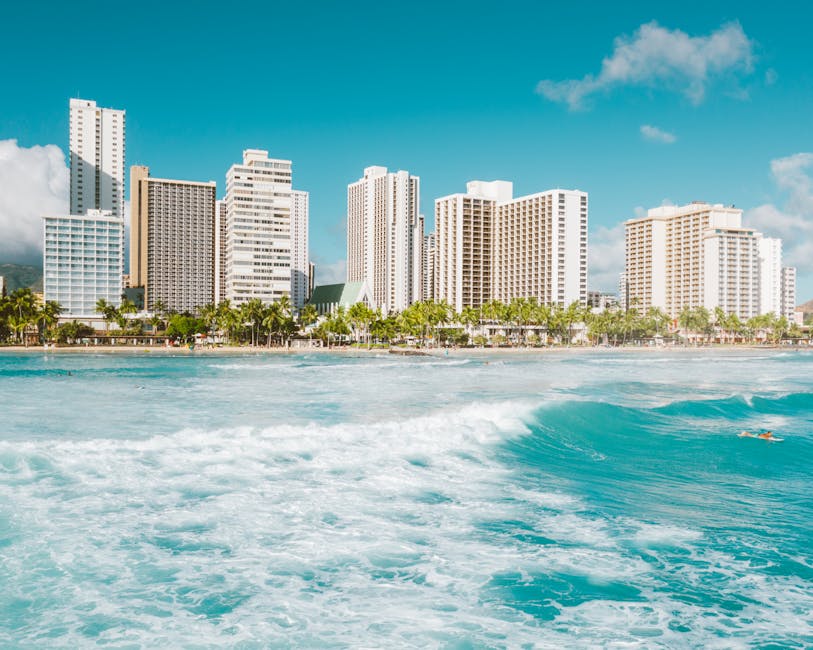
The category of “Travel Gear” is often dismissed in the context of hotel deals, but the right equipment allows you to stay in lower-priced accommodations without sacrificing comfort. For example, staying in a boutique hotel without a pool is much more palatable if you have high-quality, portable beach gear. Furthermore, the cost of baggage fees can quickly erode any savings you found on your hotel room. Investing in lightweight, high-capacity luggage is a strategic move for the Hawaii traveler, as it allows for “carry-on only” strategies that save $60-$100 per round trip.
Recommended Luggage: Samsonite Freeform Hardside
The Samsonite Freeform Hardside Spinner (approx. $180) is a top-tier choice for Hawaii. Its polycarbonate shell is incredibly light, which is vital when you are packing heavy items like reef-safe sunscreen and snorkeling gear.
- Specifications: 21.25″ x 15.25″ x 10.0″, 6.5 lbs, 360-degree double spinner wheels.
- Pro: Exceptionally lightweight, allowing you to pack more without hitting airline weight limits; expandable for extra capacity.
- Con: The high-gloss finish tends to show scuffs after a few flights; internal dividers are somewhat basic.
By avoiding checked bag fees through efficient packing in a reliable carry-on, you effectively lower the “all-in” cost of your hotel stay.
Portable Comfort: American Tourister Moonlight
For those who need more space for family travel, the American Tourister Moonlight Expandable (approx. $100) offers a more budget-friendly entry point. It provides the expansion needed to bring back souvenirs, which are notoriously expensive to ship from the islands.
- Specifications: 22″ x 15″ x 9.5″, 7.5 lbs, ABS/Polycarbonate blend.
- Pro: Great value-to-durability ratio with fun aesthetic designs that are easy to spot on a carousel.
- Con: The wheels are not as smooth on uneven Hawaiian sidewalks compared to premium models; slightly heavier than the Samsonite equivalent.
The Utility of Organizational Accessories
To maximize the efficiency of the luggage mentioned above, travelers should consider compression packing cubes. These accessories allow you to fit approximately 30% more clothing into the same volume, which is essential for Hawaii where you need a mix of beachwear, evening attire, and hiking gear. By organizing your gear into cubes, you also reduce the time spent unpacking in your hotel, allowing you to maximize your time on the beach. Furthermore, a dedicated dry bag (10L to 20L) is an essential piece of Hawaiian gear. It protects your electronics during boat tours or sudden tropical downpours, preventing the high cost of replacing a water-damaged smartphone or camera.
Gear Comparison Matrix for Hawaiian Travel
Choosing the right gear requires a balance of weight, durability, and price. The following table compares three popular luggage options frequently recommended for Pacific travel.
| Feature | Samsonite Freeform | American Tourister Moonlight | Travelpro Maxlite 5 |
|---|---|---|---|
| Weight | 6.5 lbs | 7.5 lbs | 5.4 lbs |
| Material | Polycarbonate | ABS/PC Blend | Polyester Fabric |
| Best For | Durability & Style | Budget & Aesthetics | Ultra-Lightweight |
| Retail Price | $180 – $200 | $90 – $110 | $150 – $170 |
Digital Connectivity and Telecom Solutions for Island Travelers
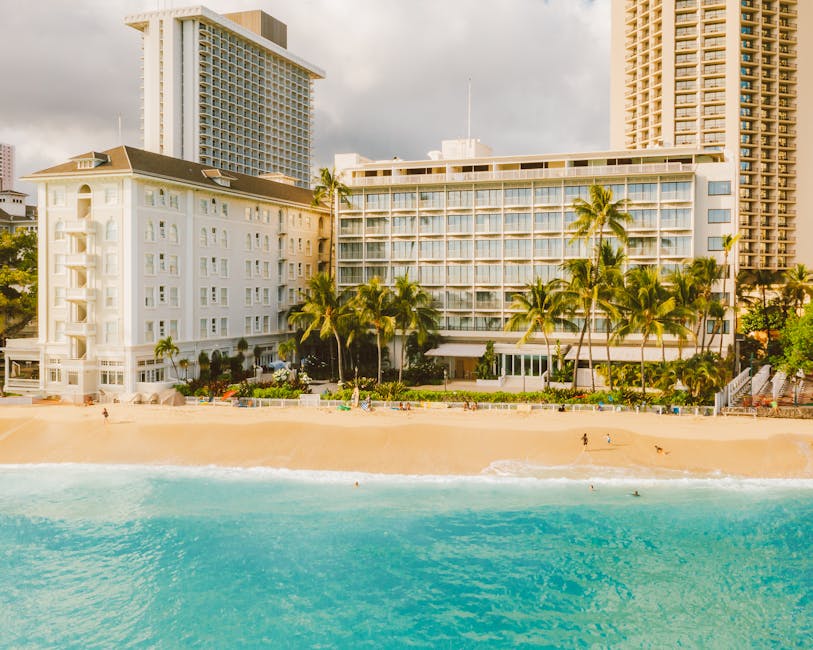
A hidden cost of many Hawaiian hotels is the “enhanced” Wi-Fi fee, which can range from $15 to $25 per day if it isn’t already bundled into a resort fee. To circumvent this, travelers should look into independent telecom solutions. Using a mobile hotspot or a dedicated travel SIM/eSIM can provide more reliable data for a fraction of the cost. Telecom providers available through the Awin network often offer regional roaming packages or data-only SIMs that are significantly more economical than paying hotel daily rates.
Moreover, having a robust data plan allows you to use local apps for food delivery and ride-sharing, which are often cheaper than the in-house dining and shuttle options provided by the resorts. If you are staying at a property on the North Shore of Oahu or in the more remote areas of the Big Island, hotel Wi-Fi is notoriously spotty. A dedicated 5G hotspot ensures you can remain productive or entertained without being tethered to a sluggish hotel network. This digital independence is a hallmark of the modern, savvy traveler who refuses to be nickel-and-dimed by resort infrastructure. Additionally, having your own reliable data allows you to monitor last-minute hotel deal apps or “re-booking” services that alert you if the price of your current stay drops, allowing you to cancel and re-book at a lower rate.
Navigating the Landscape of Resort Fees and Mandatory Surcharges
The most frustrating aspect of hunting for hotel deals in Hawaii is the lack of price transparency caused by resort fees. These fees, which cover everything from “cultural activities” to “GoPro rentals,” are often not disclosed until the final booking screen. In Hawaii, these can range from $25 to over $60 per night, plus tax. When comparing two hotels, you must look at the “Total Price Per Night” rather than the base rate. A $200 room with a $50 resort fee and $40 valet parking is actually a $290 room.
Note: Some loyalty programs, such as Hilton Honors and World of Hyatt, waive resort fees on award stays (stays booked with points). This can be a massive loophole for those looking to maximize value in expensive markets like Maui.
Another surcharge to watch for is the GET (General Excise Tax) and the TAT (Transient Accommodations Tax). Combined, these add approximately 15-18% to your bill. If you are looking at a deal that seems too good to be true, check if these taxes are included. Analytical travelers often use spreadsheets to compare the true cost of 5 nights at a resort versus 5 nights in a legal short-term rental. Often, the rental wins on the base price but loses when you factor in cleaning fees. However, the ability to cook meals in a rental—facilitated by bringing your own compact kitchen gear like a portable espresso maker or a collapsible cooler—can swing the math back in favor of the non-hotel option.
Strategic Comparisons Between Traditional Resorts and Vacation Rentals
The final layer of finding a deal involves questioning the traditional hotel model itself. Hawaii has recently seen a crackdown on short-term rentals (STRs), making legal ones more expensive but also more reliable. A condo in a complex like those in Kihei (Maui) or Princeville (Kauai) often provides more square footage and a full kitchen for the price of a standard hotel room. For a family, the “deal” isn’t just the price of the room; it’s the $100 a day saved by not eating three meals at a resort restaurant.
However, hotels offer amenities that rentals don’t: daily housekeeping, security, and often better locations. If you choose the hotel route, the best deals are often found by booking 9 to 12 months in advance or by waiting for the 14-day window when cancelled inventory is re-released at a discount. Each approach has trade-offs. The rental requires more gear (like bringing your own beach towels or coffee supplies), while the hotel requires a larger financial outlay for convenience. By analyzing your own priorities—whether they be luxury service or bottom-line savings—you can determine which “deal” actually serves your needs. Hawaii is never truly “cheap,” but it can be optimized through rigorous planning and the right equipment.
Long-Term Gear Maintenance: Protecting Your Travel Assets
Investing in high-quality travel gear is only half the battle; maintaining that gear in Hawaii’s salt-heavy, humid environment is essential for long-term savings. Salt air is corrosive to zippers and telescopic handles. After a trip to the islands, it is recommended to wipe down the exterior of your hardside luggage with a damp cloth and use a silicone-based lubricant on the wheel bearings. This prevents the “seizing” of wheels that often occurs with cheaper luggage after exposure to sand and salt.
For soft-side gear and backpacks, a quick spray of water-repellent treatment before the trip can prevent moisture from seeping into the fabric during tropical showers. Furthermore, if you are using high-end electronics or cameras, storing them with silica gel packets inside your dry bag will mitigate the risk of internal condensation. By treating your travel gear as a long-term investment rather than a disposable purchase, you ensure that the “deal” you got on your luggage continues to pay dividends for years of future Hawaiian adventures. Ultimately, the best hotel deal is one that is supported by a comprehensive strategy of financial savvy and gear readiness.