
Did you know that over 40% of travelers now prioritize carry-on only travel? This shift isn’t just about avoiding baggage fees; it’s about efficiency, speed, and reduced stress. But with airline rules constantly shifting, choosing the right carry-on for 2026 is more critical than ever. The wrong bag can mean gate-checking delays or unexpected fees. Smart travelers understand that the best carry-on luggage isn’t just a container. It’s an investment in smoother journeys.
The Evolving Landscape of Carry-On Restrictions 2026
Airline carry-on rules are not static. They are living documents, evolving with new aircraft designs, passenger loads, and operational efficiency goals. For 2026, we see a continued trend towards standardization in some regions, while others maintain their unique, often tighter, limits. Ignoring these nuances can lead to significant travel headaches. A bag that fit perfectly last year might now be too large, especially on budget carriers or specific routes.
The core challenge remains the overhead bin space. Newer aircraft, like the Airbus A321XLR, promise more efficient use of space, but this doesn’t always translate to larger individual allowances. Instead, airlines focus on maximizing the number of bags that fit. This means that a bag just an inch too wide can cause issues. Weight restrictions are also seeing renewed enforcement, particularly for international flights. Travelers accustomed to more lenient policies in the past will need to adapt. Investing in a lightweight bag is a proactive step.
New security protocols also play a role. Faster screening technologies, like advanced CT scanners, might eventually reduce the need to remove liquids or electronics. However, the physical dimensions of your bag still matter greatly for the throughput of these systems. A bag that slides easily through scanners helps keep lines moving. It’s not just about fitting in the plane; it’s about fitting into the entire airport ecosystem efficiently.
Navigating New Airline Sizing Standards
Many airlines are subtly adjusting their definitions of a “personal item” versus a “carry-on.” This impacts total capacity. Some carriers are also introducing tiered ticketing where only higher-fare classes guarantee a carry-on bin space. This means even if your bag meets the dimensions, you might still face gate-checking. Travelers should check specific airline policies within 24-48 hours of departure, as rules can change.
The Impact of Smart Technology on Weight Limits
Battery packs in smart luggage have long been a point of contention with airlines. For 2026, the rules are clearer: removable battery packs are mandatory. This design consideration impacts the overall weight. Integrated scales, while convenient, also add minimal weight. The trend is towards user-removable and easily accessible electronics to comply with safety regulations. A bag like the Away Carry-On offers an ejectable battery. This design reduces friction at security checkpoints.
Beyond TSA: Global Security Screening Updates
Different countries employ different security technologies. While TSA PreCheck and similar programs streamline domestic travel, international airports can have varying requirements. Some regions, for instance, are more stringent on electronics remaining in bags. A carry-on designed with easy-access pockets for laptops and tablets can save time. The goal is to minimize unpacking at security, regardless of the airport.
Hard-Shell vs. Soft-Shell: Durability, Weight, and Flexibility

The debate between hard-shell and soft-shell carry-ons continues, but for 2026, a clear winner emerges for most travelers: hard-shell luggage is generally the superior choice for protection and longevity. Modern hard-shell materials offer impressive impact resistance and better safeguard contents against spills or rough handling. While soft-shells offer external pockets and some expandability, their protective qualities often fall short. The structured nature of a hard-shell bag maintains its form, making it easier to fit into overhead compartments. It also prevents overpacking, a common cause of bags not fitting.
However, soft-shell bags still hold a niche. For travelers who absolutely need exterior pockets for quick access to documents or water bottles, or who regularly deal with extremely tight packing situations where a bit of “give” is essential, a well-made soft-shell can work. Brands like Travelpro excel in this category, designing soft-shells that maximize internal space. But for sheer protection and maintaining the integrity of your belongings, a hard-shell is the safer bet.
Polycarbonate and Aluminum: The Modern Hard-Shell Materials
The most common hard-shell materials are polycarbonate and aluminum. Polycarbonate is lightweight, flexible, and resistant to cracking. It offers a good balance of durability and affordability. Brands like Monos and July make excellent polycarbonate carry-ons. Aluminum, seen in premium options like Rimowa, offers unparalleled durability and a distinctive aesthetic. It is heavier and more expensive, but virtually indestructible. It dent, but it rarely breaks.
Nylon and Polyester: The Soft-Shell Advantage
Soft-shell luggage typically uses ballistic nylon or durable polyester. Ballistic nylon, often found in high-end bags like the Travelpro Platinum Elite, is highly resistant to tears and abrasions. Polyester is more common in budget-friendly options but can still be robust when densely woven. The main advantage here is exterior access. Soft-shell bags often feature multiple zippered pockets, allowing quick retrieval of items without opening the main compartment.
Capacity and Expansion: A Key Differentiator
Soft-shell bags often have an expansion zipper, adding 1-2 inches of depth. This can be useful but also pushes the bag beyond carry-on limits if used. Hard-shell bags typically lack this feature, forcing more mindful packing. While this might seem restrictive, it often ensures compliance with airline dimensions. For maximum capacity within strict limits, soft-shell bags can sometimes offer more flexible internal dimensions due to their lack of rigid internal frames.
Decoding Carry-On Dimensions: What’s the Real Limit for Major Airlines?
The term “standard carry-on size” is a myth. Airlines have varying restrictions, and these can change. Always check the specific airline’s website before flying. Here’s a breakdown of common dimensions for 2026:
- North American Carriers: Delta, United, American
- Most major US airlines allow dimensions around 22 x 14 x 9 inches (56 x 35 x 23 cm), including wheels and handles. This is the unofficial benchmark. Bags like the Samsonite Freeform or the Away Carry-On are designed to meet these specifications.
- European Airlines: Ryanair, EasyJet, Lufthansa
- European carriers, especially budget airlines, are often stricter. Ryanair’s free carry-on (personal item) is very small (40 x 25 x 20 cm or 15.7 x 9.8 x 7.8 inches), requiring an upgrade for a larger cabin bag. EasyJet allows 56 x 45 x 25 cm (22 x 17.7 x 9.8 inches) for larger cabin bags, but often only if you pay for Up Front or Extra Legroom seats. Lufthansa is closer to US standards at 55 x 40 x 23 cm (21.6 x 15.7 x 9 inches).
- Asian and Middle Eastern Standards
- Many Asian airlines, like Cathay Pacific and Singapore Airlines, typically adhere to a 22 x 14 x 9 inch (56 x 36 x 23 cm) rule, similar to North America. Middle Eastern carriers like Emirates and Qatar Airways also generally follow these dimensions, often with stricter weight limits (7kg or 15 lbs). Always confirm weight limits, as they can be the hidden trap for seasoned travelers.
- Regional and Smaller Aircraft
- Smaller regional jets often have even tighter restrictions for overhead bins. Some airlines might require gate-checking bags that fit on larger planes. Consider a slightly smaller bag, like a 20-inch model, if you frequently fly on regional routes.
Wheels, Handles, and Zippers: The Unsung Heroes of Travel

These components determine a bag’s longevity and ease of use. A beautiful shell means little if the wheels seize up or the handle snaps. When assessing any carry-on, these details deserve scrutiny. They are not merely ancillary features; they are foundational to a positive travel experience. Cheap components here can turn an otherwise good bag into a frustrating burden after just a few trips. Think about the hundreds of miles a bag will roll, the countless times the handle extends and retracts, and the thousands of zipper pulls. This constant stress demands high-quality construction.
The quality of these ‘wear parts’ often correlates directly with the bag’s overall price. Premium brands invest heavily in robust hardware, knowing that it impacts customer satisfaction and brand reputation. Travelers should specifically look for bags that highlight the quality of these components. Brands like Monos and July emphasize their spinner wheels and telescopic handles. Travelpro is renowned for its PowerScope Extension Handles, known for stability and minimal wobble. These aren’t just marketing claims; they reflect genuine design choices for durability.
Even small details, like the type of rubber on the wheels or the gauge of the zipper teeth, contribute significantly. A bag might look identical on the surface to a cheaper counterpart, but its hidden strength lies in these often-overlooked elements. It’s the difference between a bag lasting a decade and one failing after a year.
Spinner vs. Inline Skate Wheels: A Durability Test
Spinner wheels (four double wheels, rotating 360 degrees) offer unparalleled maneuverability. You can push the bag alongside you, making airport navigation effortless. However, they are more exposed and can be prone to breaking on uneven surfaces or curbs. Inline skate wheels (two wheels, recessed) are more durable and handle rough terrain better. They require tilting and pulling the bag. For frequent international travel with varied airport conditions, inline skate wheels might offer more resilience. For smooth airport floors, spinners like those on the Away Carry-On are excellent.
Handle Systems: Ergonomics and Strength
A good telescopic handle should extend and retract smoothly, with minimal wobble. Multi-stage handles allow for different height adjustments. Look for handles made of aircraft-grade aluminum. The connection points to the bag are crucial; reinforced attachments prevent snapping. Travelpro’s external handle system (like on the Platinum Elite series) leaves more internal packing space and provides exceptional stability. Avoid handles that feel flimsy or sticky when extended.
Zipper Technology: YKK and Beyond
Zippers are often the first component to fail. High-quality self-repairing zippers, like those from YKK, are a mark of a well-made bag. Look for larger gauge teeth and smooth operation. Water-resistant zippers offer an extra layer of protection against the elements, a feature seen in some higher-end hard-shell models. Double zippers with interlocking pulls are essential for security, allowing you to use a TSA-approved lock.
Smart Features You Actually Need (and Don’t): A 2026 Reality Check
The market is flooded with “smart” luggage, but not all features are equally useful. Some add unnecessary weight, complexity, or cost. Travelers need to discern between genuine innovations and marketing gimmicks. For 2026, the focus should be on features that simplify travel, not complicate it.
Are Built-In Chargers Worth the Extra Weight?
Integrated battery packs for charging devices were a popular trend. However, airline restrictions requiring removable batteries have made many built-in chargers less convenient. If you frequently need to charge on the go, a separate, high-capacity power bank is often more versatile and less restrictive. Bags like the Monos Carry-On don’t integrate chargers, prioritizing weight and compliance. If a bag does have one, ensure it’s easily removable with a single motion, like in the Away Carry-On.
What About Integrated Trackers and Scales?
Luggage trackers (like Apple AirTags or Tile) are highly useful for locating lost bags, but a separate tracker dropped into your bag is just as effective and doesn’t add to the bag’s weight or cost. Built-in scales, while offering peace of mind about weight limits, are often less accurate than standalone luggage scales. They also add internal bulk. For most travelers, these integrated features are an unnecessary luxury. A small, external luggage scale costs under $15 and provides reliable readings.
Packing Cubes and Compression: Essential or Overkill?
Packing cubes are not a bag feature, but they are an essential packing tool. They organize contents, compress clothes, and make finding items easy. They also protect clothes from spills. Compression packing cubes, in particular, can significantly increase the usable space within a carry-on, allowing travelers to fit more without expanding the bag’s external dimensions. This is a for maximizing carry-on capacity, making them far more valuable than most built-in “smart” features.
Top Contenders for the Best Overall Carry-On 2026
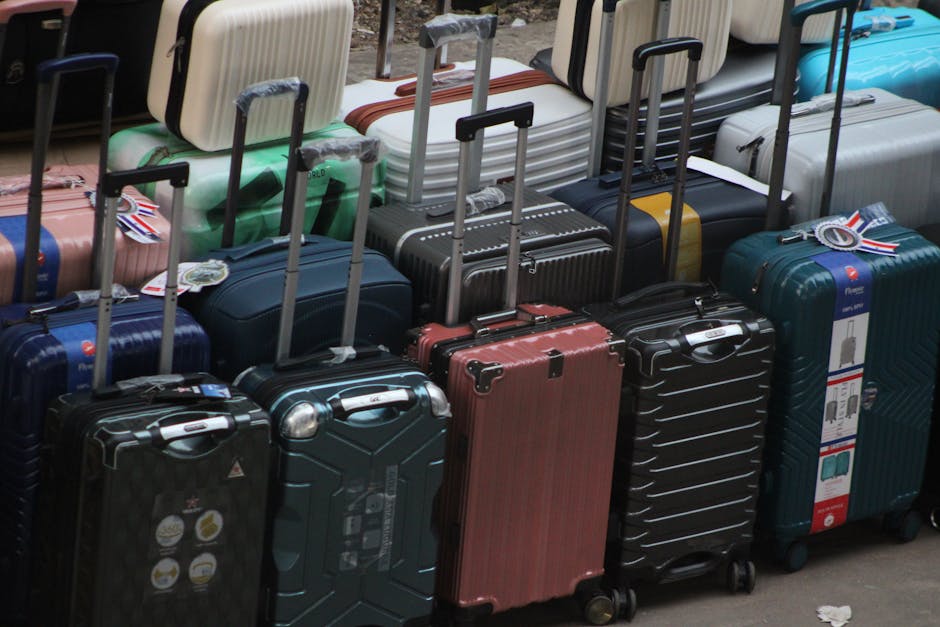
Choosing the absolute best carry-on depends on individual priorities: budget, style, durability, and specific travel needs. However, some models consistently rise to the top for their blend of quality, features, and traveler satisfaction. Here are the top contenders for 2026 across different categories.
Premium Pick: Durability Meets Design
For those prioritizing ultimate durability and sleek design, the Monos Carry-On Plus stands out. Its aerospace-grade German polycarbonate shell is incredibly resilient. The anti-microbial lining and silent spinner wheels further justify its premium price point. It’s built to withstand years of rigorous travel while maintaining a sophisticated appearance. Another strong contender in this segment is the Rimowa Essential Cabin, known for its iconic grooved polycarbonate and robust construction, though it comes at a significantly higher cost.
Versatile All-Rounder: Balancing Price and Performance
The Away The Carry-On remains a strong favorite for its smart features (removable battery), durable shell, and excellent internal compression system. It strikes a good balance between price and performance, making it a reliable choice for diverse travel needs. Similarly, the July Carry On offers a comparable experience with a slightly different aesthetic and strong attention to detail on its hardware, including its unique ejectable laundry bag.
Lightweight Champion: Maximize Your Allowance
When every ounce counts, the Samsonite Freeform Spinner 21 is a top pick. Weighing under 7 pounds, its lightweight polycarbonate construction doesn’t sacrifice durability. It offers excellent internal capacity for its weight, making it ideal for airlines with strict weight limits. Another lightweight option is the Travelpro Maxlite 5 Expandable Spinner, a soft-shell choice that maximizes internal volume and comes in at a very competitive weight.
| Model | Type | Dimensions (inches) | Weight (lbs) | Key Features |
|---|---|---|---|---|
| Monos Carry-On Plus | Hard-shell | 23 x 15 x 9.5 | 7.8 | German polycarbonate, silent spinner wheels, compression straps |
| Away The Carry-On | Hard-shell | 21.7 x 13.7 x 9 | 7.6 | Polycarbonate, removable battery, internal compression system |
| Samsonite Freeform Spinner 21 | Hard-shell | 21.25 x 15.25 x 10 | 6.5 | Lightweight polycarbonate, integrated TSA lock, expandable |
| Travelpro Platinum Elite 21″ Spinner | Soft-shell | 21 x 14 x 9 | 7.8 | Nylon fabric, PowerScope Extension Handle, garment bag |
| July Carry On | Hard-shell | 21.6 x 14.2 x 8.7 | 7.4 | Polycarbonate, ejectable laundry bag, silent wheels |
The Budget-Friendly Picks That Don’t Compromise Quality
You don’t need to spend hundreds of dollars for a reliable carry-on. Several brands offer excellent value without completely sacrificing durability or functionality. The key is to manage expectations on features and materials, focusing on core performance. The Amazon Basics Hardside Spinner and the Rockland Melbourne Hardside Expandable Spinner are consistently rated as solid, affordable options. They provide basic hard-shell protection and spinner wheels at a fraction of the cost of premium brands, making them ideal for occasional travelers or those on a tight budget. For soft-shell, the American Tourister Fieldbrook II offers surprising capacity and decent maneuverability for its price.
These bags might not boast aircraft-grade aluminum handles or whisper-quiet wheels, but they perform the essential function of getting your belongings from point A to point B safely. Their value proposition lies in their practicality and accessibility, proving that smart travel choices can be made on any budget.
Choosing the right carry-on in 2026 means prioritizing airline compliance, component quality, and personal travel style over flashy, unnecessary features.